Reviewing the "The Answer is Nope" SVG for Embroidery
As a designer who spends half my life digitizing and the other half stitching, I have learned to look past the glossy mockups. When I first opened the folder for Funny SVG Design, the Answer is Nope, I was not just looking for a cute phrase. I was looking for structural integrity. In the world of machine embroidery design, humor often relies on bold typography or simple icons, but the execution determines whether a piece looks professional or like a hobbyist mistake. This review breaks down how this specific graphic translates from a digital embroidery file to a tangible, stitched reality.
First Impressions and Visual Personality
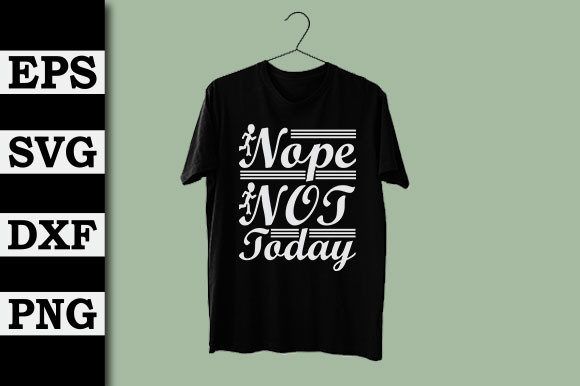
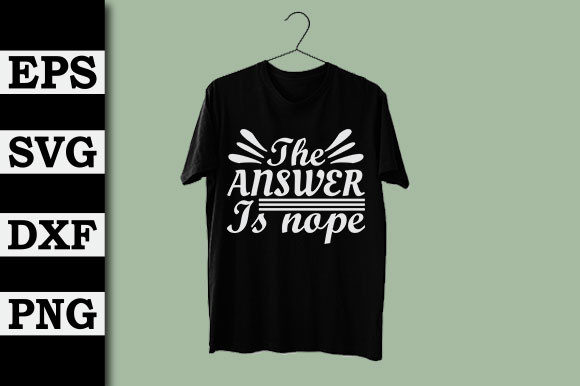
The phrase "The answer is nope" carries an immediate attitude. It is sassy, direct, and universally understood in our current cultural landscape. Visually, the design leans into clean lines and high contrast. For an embroidery project, this is generally good news. Complex gradients and tiny details often get lost in thread, but a statement piece like this thrives on clarity. The mood it creates is playful yet confident, making it an ideal candidate for products that need to spark a conversation or a smile.
When evaluating the layout, I noticed the balance between negative space and text weight. In embroidery, negative space is your friend. It allows the fabric texture to breathe and prevents the garment from becoming stiff. This design appears to respect that balance, suggesting it would sit well on various materials without requiring excessive stitch density that could pucker lightweight fabrics.
Real-World Application: The Tote Bag Test
To truly understand the value of this asset, I imagined a specific real-life scenario. A client approaches me for a set of custom reusable tote bags for a local book club. They want something witty but not overly niche. I pull up Funny SVG Design, the Answer is Nope. Why a tote bag? Because canvas provides a stable base for stitching, allowing the letters to pop without sinking into the weave.
In this context, the design performs exceptionally well. The bold nature of the text ensures readability from a distance, which is crucial for a tote bag design. If I were using a satin stitch for the lettering, the smooth finish would contrast beautifully against the rougher texture of the canvas. Alternatively, a fill stitch could add durability if the bags are intended for heavy use, such as carrying groceries or library books. The versatility here is key; it transforms a simple accessory into a handmade product with personality.
Versatility Across Product Lines
Beyond totes, where does this graphic shine? I see strong potential in sweatshirt embroidery. A crewneck sweatshirt offers a large, flat canvas on the chest or back. Here, the design can be scaled up significantly. However, one must be cautious with scale. If the letters become too large, the inner parts of characters like "O" or "P" might require tie-ins or bridge stitches to maintain structural integrity during washing.
For custom apparel like t-shirts, the approach changes. Since t-shirt fabric is thinner and stretchier, this design would benefit from a proper stabilizer setup. A cut-away stabilizer would likely be necessary to prevent distortion. The design’s simplicity means it won’t overwhelm the delicate fabric, provided the stitch count is managed correctly. It also works wonderfully for embroidered patch creation. Patches allow for dense stitching on a stable twill background, which can then be ironed or sewn onto jackets, hats, or bags, offering a high-perceived value item for Etsy seller shops.
Technical Considerations and Pitfalls
While the design is robust, it is not without its challenges. Designers must pay close attention to small details. If the font includes thin serifs or intricate connectors, these may not survive the needle’s penetration. I recommend inspecting the SVG Files and DXF Files included in the ZIP package closely before digitizing or using pre-digitized versions. Check for closed shapes and consistent line weights.
Curved surfaces present another hurdle. Applying this design to a cap or hat requires careful hooping. The curvature can distort straight lines, making the text appear to arch unintentionally. In such cases, adjusting the pull compensation in your digitizing software is essential. Additionally, dark fabrics require thoughtful thread colors. A light thread on a dark shirt needs a underlay stitch to prevent the fabric color from showing through, which can muddy the crispness of the white or bright threads typically used for this kind of humorous text.
Commercial Viability and Brand Consistency
For craft business owners and small shop product creators, consistency is vital. This design fits seamlessly into a brand identity that values humor, honesty, and modern aesthetics. It appeals to a broad demographic, from millennials to Gen Z, making it a safe bet for holiday embroidery gifts or year-round personalized gift items.
When creating printable mockup assets for your online store, ensure the digital representation matches the stitched reality. Use the PNG Files provided in the package for quick previews, but always photograph the actual stitched item for final listings. Customers trust transparency. Showing the texture of the thread and the quality of the backing builds confidence in your finished product.
Practical Designer Notes
Before running this design on a customer’s expensive garment, always test on scrap fabric similar to the final material. This helps you determine the optimal hoop size and tension settings. Check the stitch direction; horizontal stitches may behave differently than vertical ones on stretchy knits.
Also, verify the licensing terms. The package includes EPS Files, SVG Files, PNG Files, and DXF Files, which suggests versatility for both cutting machines and embroidery software. However, confirm whether the license permits commercial use of the digital embroidery file itself or just the physical items produced. Most designers allow selling the physical baby embroidery items or adult apparel, but reselling the digital file is often prohibited.
In conclusion, Funny SVG Design, the Answer is Nope is a solid addition to any designer’s library. It balances humor with technical feasibility, offering a wide range of applications from T-Shirt Designs to home decor. With proper attention to stabilizer choice and stitch density, it can elevate a simple piece of fabric into a standout Graphics statement that customers will love to wear and share.