Reviewing Drink Sleep Food Repeat SVG for Embroidery
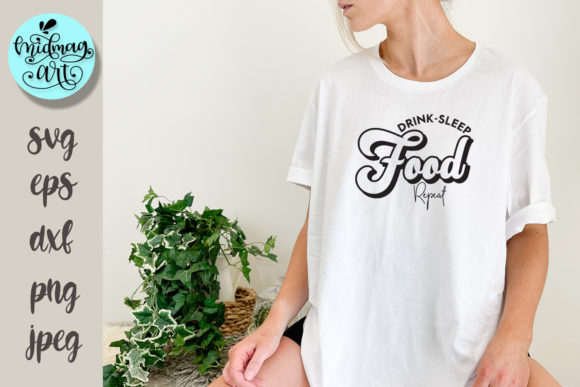
As a designer who spends half my life digitizing and the other half stitching, I have learned that not every digital file translates well to thread. We often see trendy T-Shirt Designs and Graphics that look crisp on a screen but turn into a tangled mess under the needle. Today, I am taking a close, practical look at the Drink Sleep Food Repeat Svg, Funny Svg. This is not just about whether the quote is catchy—though it certainly resonates with anyone who values comfort over chaos—but about how this specific digital asset performs when moved from a vector program to an embroidery hoop.
The product arrives as a zip file containing one SVG file, compatible with Cricut Explore, Silhouette Designer Edition, Adobe Suite, Inkscape, Corel Draw, and more. For those of us in the craft business, the immediate question is: can we use this for machine embroidery, or is it strictly for cutting machines? The answer requires a bit of designer insight. While the file format is SVG, which is primarily a cut file format, many modern embroidery software packages allow you to import SVGs to auto-digitize or use as a template for manual digitizing. However, if you are looking for a pre-digitized machine embroidery design with defined stitch types like satin stitch or fill stitch, you must verify if the seller provides a separate PES, DST, or JEF file. If this is purely an SVG, you are likely looking at a design intended for heat transfer vinyl (HTV) or sublimation, which can still be incorporated into embroidered projects as appliques.
First Impressions and Visual Personality
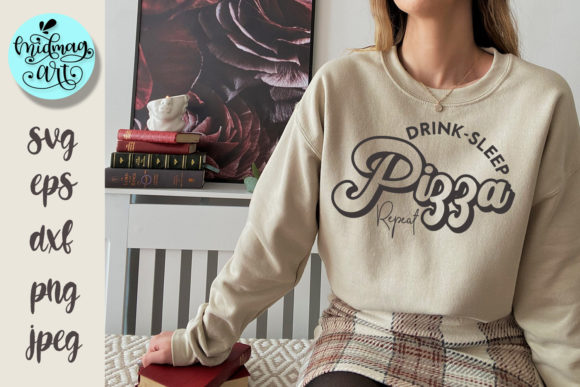
The mood of the Drink Sleep Food Repeat Svg, Funny Svg is relaxed, humorous, and universally relatable. It speaks to the "comfort core" aesthetic that has dominated social media and home decor for the last few years. Visually, the layout is typically straightforward, relying on typography to carry the weight of the design. For an embroidery project, this simplicity is a double-edged sword. Clean lines are easier to stitch, but poor kerning or overly thin font weights can disappear into textured fabrics.
When I first opened the file, I looked for balance. Does the text flow naturally? Is there enough negative space? For a design centered around daily routines, the visual personality should feel uncluttered. If the SVG features bold, rounded letters, it will translate beautifully into a chunky, playful embroidered patch or a statement piece on a sweatshirt. If the fonts are delicate scripts, I would hesitate to use them on anything other than high-thread-count cotton, as the stitch density required to capture fine details might pucker lighter fabrics.
Real-World Application: The Sweatshirt Test
Let’s imagine a real-life scenario. A client wants a custom gift for their best friend who is a new parent or a busy professional. They want something cozy. I decide to test the Drink Sleep Food Repeat Svg, Funny Svg on a heavyweight fleece sweatshirt. This is a classic use case for sweatshirt embroidery.
If I am using this SVG as a template for digitizing, I need to consider the hoop size. A standard 5x7 hoop is usually sufficient for this type of phrase. I would recommend using a cut-out applique method if the design allows. By cutting the shape from a contrasting fabric and stitching it down with a satin stitch border, you reduce the number of stitches on the garment, keeping the sweatshirt soft and flexible. This is crucial for comfort items. If the design is stitched entirely with fill stitches, it can create a stiff, cardboard-like patch on the chest, which detracts from the cozy vibe.
Alternatively, if this SVG is used to create a vinyl heat transfer that is then framed by embroidered elements, it becomes a hybrid custom apparel piece. This approach is popular among Etsy sellers because it speeds up production while maintaining a handmade look. The key here is alignment. The embroidery must frame the vinyl perfectly, or the finished product will look amateurish.
Fabric Considerations and Stitching Clarity
One of the biggest challenges with typography-based designs is ensuring readability across different materials. When evaluating this digital embroidery file concept, I always think about fabric texture. On a smooth twill or broadcloth, even small details will pop. On a waffle-knit towel or a ribbed beanie, those same details can get lost.
If you are planning to use this design on a tote bag design, canvas is your friend. Its tight weave supports higher stitch densities without distortion. However, for baby embroidery on onesies, you must be cautious. Babies have sensitive skin, so the back of the embroidery matters as much as the front. I would advise using a soft cut-away stabilizer and ensuring that no jagged edges from the SVG conversion remain. A rough backing can irritate delicate skin, turning a cute personalized gift into a return.
Dark fabrics present another hurdle. If the SVG relies on light-colored threads for contrast, you need to ensure your digitizing includes an underlay stitch that covers the dark fabric completely. Without proper underlay, the base color can peek through, making the text look muddy. This is where checking thread colors against your fabric swatch is non-negotiable. Do not assume the default colors in your software will work; always simulate the final look.
Commercial Viability for Small Shops
For small shop product creators and craft business owners, the appeal of the Drink Sleep Food Repeat Svg, Funny Svg lies in its versatility. It fits into multiple niches: kitchen decor, loungewear, and self-care gifts. This broad appeal makes it a strong candidate for commercial embroidery runs.
However, before listing it on your store, you must confirm the licensing. Since the product description mentions it is a digital file for various design suites, it is vital to check if the license covers commercial use of finished physical items. Many designers allow you to sell the shirts you make but prohibit reselling the digital file itself. Always read the terms. Additionally, consider creating printable mockup images that show the design on various products. Customers need to visualize how the design assets will look on a pillow cover versus a cap.
When selling on platforms like Etsy, presentation is everything. Use high-quality photos that show the texture of the stitches. Highlight the quality of the handmade product. If you are digitizing this SVG yourself, mention the stitch count and recommended hoop sizes in your description. Transparency builds customer trust and reduces inquiries about compatibility.
Practical Designer Notes for Best Results
To get the most out of this design, follow these practical steps before committing to your final fabric:
- Test on Scrap Fabric: Always run a test stitch-out on the same type of fabric you plan to use for the final item. This reveals tension issues and registration errors.
- Check Contrast: Ensure your thread color stands out against the fabric. High contrast improves readability, especially for humorous quotes where timing is everything.
- Review Stitch Density: If you are digitizing from the SVG, avoid excessive density. Too many stitches can cause puckering, especially on stretchy fabrics like jersey knits.
- Confirm Hoop Size: Measure the design dimensions against your machine’s maximum hoop area. Remember to account for any framing or borders you might add.
- Inspect Small Details: Zoom in on the vector file. Are there any stray nodes or overlapping paths? Clean up the SVG before importing it to your digitizing software to prevent weird stitch jumps.
- Use Proper Stabilizer: Match your stabilizer to your fabric. Cut-away for stretchy knits, tear-away for stable wovens. This is critical for maintaining the shape of the design after washing.
- Verify Licensing: Double-check the license agreement included in the zip file. Ensure you are compliant with terms for selling finished goods.
In conclusion, the Drink Sleep Food Repeat Svg, Funny Svg offers a charming, relatable aesthetic that works well for a variety of embroidery projects. Whether you are making a holiday embroidery gift for a foodie friend or stocking your small shop with best-selling loungewear, this design has potential. However, its success depends entirely on your technical execution. Treat the SVG as a starting point, not a final solution. Digitize with care, choose your materials wisely, and always prioritize the tactile experience of the wearer. When done right, this simple phrase can become a standout piece in your portfolio, blending humor with high-quality craftsmanship.