Stitching the Vibe: A Designer’s Review of Wine Thirty
As someone who has spent countless hours staring at digitized paths and troubleshooting thread breaks, I approach every new machine embroidery design with a mix of curiosity and caution. We have all been there: you download a file that looks perfect on screen, only to find it turns into a puckered mess or an unreadable blob once the needle hits the fabric. That is why I took a close look at Funny SVG Design, Wine Thirty before committing it to a client project. This isn’t just about whether it is cute; it is about whether it holds up under the mechanical stress of an embroidery machine and meets the aesthetic standards of a modern craft business.
First Impressions and Visual Personality
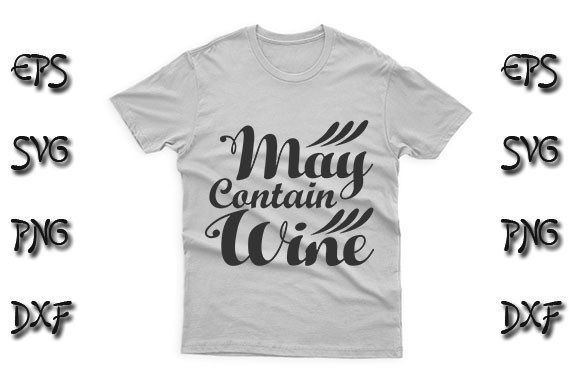
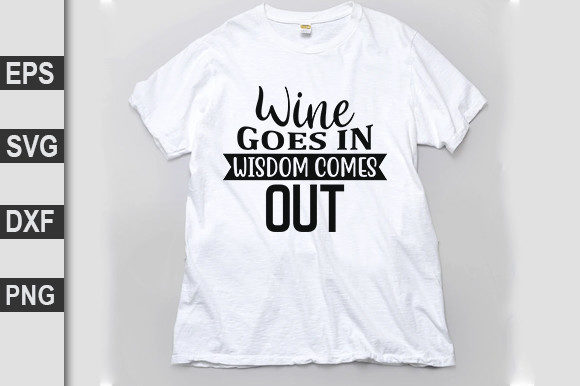
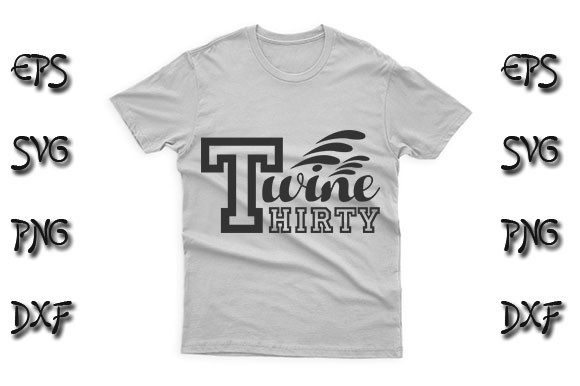
The first thing that strikes you about Funny SVG Design, Wine Thirty is its bold, unapologetic personality. It captures that specific moment of relaxation many of us crave after a long week. The layout is clean, relying on strong typography and simple graphic elements rather than overly complex shading. For an embroidery designer, this simplicity is often a blessing. Complex gradients do not translate well to thread, but clear lines and distinct shapes do.
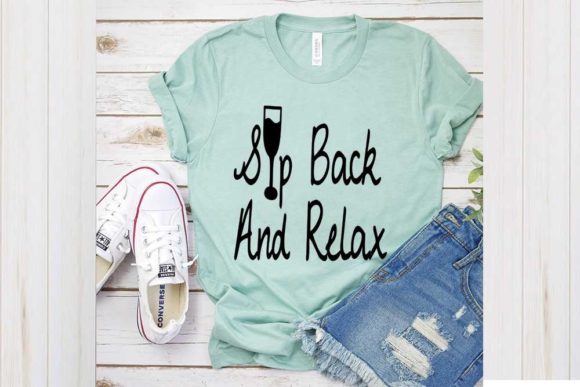
The mood is playful yet sophisticated enough for adult apparel. It does not feel childish, which makes it versatile. When I visualized this as a T-Shirt Designs asset, I immediately saw it working for boutique brands that cater to millennials or Gen Z customers who appreciate humor in their wardrobe. As a piece of Graphics, it stands out because it avoids clutter. In embroidery, less is often more, especially when you are dealing with the physical limitations of thread buildup.
Real-World Application: The Tote Bag Test
To truly evaluate a design, you have to imagine it on a tangible product. I recently considered using this file for a custom order involving canvas tote bags. These are popular items for local markets and gift shops. The Funny SVG Design, Wine Thirty felt like a natural fit here. Canvas provides a stable base, allowing the stitches to sit flat without excessive sinking.
I imagined stitching this onto a natural-colored cotton canvas. The contrast between dark thread and light fabric would make the text pop. However, I also considered how it would look on a sweatshirt embroidery project. Fleece and French terry are trickier. The pile of the fabric can swallow small details. Because this design relies on larger, bolder forms, it should survive the texture of a sweatshirt better than a highly detailed floral pattern would. It suggests durability and visibility, two key factors for a successful handmade product.
Versatility Across Product Lines
Beyond totes and sweaters, this design has legs. Think about embroidered patch production. Patches are trending, and a witty phrase like this sells well at craft fairs. The file formats included—EPS, SVG, PNG, and DXF—suggest flexibility. While EPS and SVG are vector-based and ideal for cutting machines or resizing without quality loss, the PNG allows for quick digital mockups. As an Etsy seller, having a high-resolution PNG is crucial for creating those clean, professional listing images that drive clicks.
You could also apply this to baby embroidery items, though perhaps with a twist. Maybe a matching set for a mom and child, where the adult gets the wine reference and the child gets a juice box equivalent. It creates a narrative, which increases the perceived value of the personalized gift. For holiday embroidery projects, such as Galentine’s Day or birthday gifts, this design serves as a ready-made solution that requires minimal customization.
Technical Considerations for Embroiderers
Now, let’s talk about the nuts and bolts. The ZIP file contains EPS, SVG, PNG, and DXF files. It is important to note that these are primarily graphic formats. If you are using this for a cutting machine like a Cricut or Silhouette for heat transfer vinyl or applique, these files are perfect. However, if you are planning to use this directly as a digital embroidery file for your machine, you need to be careful.
Most embroidery machines require specific formats like PES, DST, or JEF. If the package does not include these native embroidery formats, you will need to use digitizing software to convert the SVG or DXF into stitch data. This is a critical step. You cannot simply load an SVG into most home embroidery machines. During this conversion process, pay attention to stitch density. If you auto-digitize, the software might create too many fill stitch areas, leading to a stiff, heavy patch of thread. I recommend manually adjusting the density or using satin stitch borders to define the edges cleanly.
Also, consider the hoop size. Ensure the design fits within your standard hoops, typically 4x4 or 5x7 inches. If you scale it down too much for a small item like a baby onesie, the lettering might become illegible. Tiny serifs and thin lines can break or get lost in the fabric weave. Always test on scrap fabric first. Check how the thread colors interact. A monochrome look can be chic, but a two-tone approach might add depth.
Navigating Fabric Challenges
Where should you use caution? Avoid placing this design on highly stretchy fabrics without proper stabilization. Knits can distort the text, making "Wine Thirty" look wavy and unprofessional. Use a cut-away stabilizer for garments that will be washed frequently. For custom apparel like caps, the curved surface presents a challenge. The center of the design might pull away from the fabric if the hoop tension is not perfect. I would advise against using this on very thin, silky fabrics unless you are an experienced digitizer who can adjust the pull compensation.
Dark fabrics require special attention. If you are stitching white thread on black fabric, you might need an underlay to prevent the background from showing through the stitches. This is where understanding running stitch underlays becomes vital. They anchor the design and provide a base for the top stitches, ensuring clarity and coverage.
Commercial Value and Brand Consistency
From a business perspective, Funny SVG Design, Wine Thirty is a strong asset. It taps into a evergreen niche: humor and relaxation. Customers connect with designs that reflect their lifestyle. Using this in your small shop product lineup can help build brand consistency if your aesthetic is fun, relaxed, and modern. It works well for commercial embroidery because it is generic enough to appeal to a broad audience but specific enough to feel personal.
When creating printable mockup previews for your online store, use the PNG file to overlay the design on various product photos. This helps buyers visualize the final result. Remember, transparency in your listings builds trust. If you are selling the finished embroidery project, highlight the quality of the stitching. If you are selling the digital asset, clarify the license terms. Since the package includes vector files, ensure your buyers know whether they can use it for commercial cut files or if it is for personal use only.
In conclusion, Funny SVG Design, Wine Thirty is a versatile, visually appealing asset that performs well when treated with technical respect. It is not just a pretty picture; it is a functional design element that, when paired with the right fabric, stabilizer, and stitching strategy, can elevate your craft business offerings. Whether you are making a single tote bag design for a friend or stocking inventory for your Etsy shop, this design offers a solid foundation for creative expression. Just remember to test, stabilize, and stitch with intention.