Reviewing the Resting Wine Face SVG for Embroidery
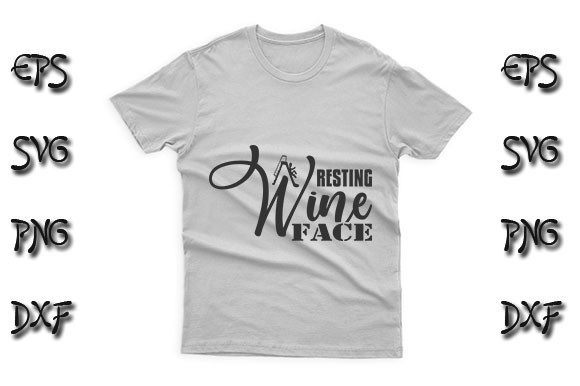
As a designer who spends half my life staring at digitized paths and the other half pulling threads out of jammed machines, I have learned to be skeptical of trendy graphics. We see thousands of files pass through our inboxes, but few survive the transition from screen to fabric. Recently, I pulled the Funny SVG Design, Resting Wine Face into my workspace to evaluate its potential for real-world application. This is not just a digital asset; it is a statement piece that needs to hold up under the needle.
The first impression is one of relatable humor. The design captures a specific mood—tired, slightly sarcastic, and deeply human. For embroidery designers and Etsy sellers, this emotional connection is gold. However, humor in embroidery is tricky. If the lines are too thin or the details too dense, the joke gets lost in a mess of thread. My initial review focuses on whether this graphic maintains its personality when translated into a machine embroidery design.
From Digital File to Stitched Reality
The product description notes that the ZIP file contains EPS, SVG, PNG, and DXF files. For those of us working strictly with embroidery machines, it is crucial to understand that these are vector and raster graphics, not native embroidery formats like PES or DST. This means you will need to digitize the design yourself or use auto-digitizing software with caution. As an experienced reviewer, I must emphasize that auto-digitizing often fails with complex shapes. The "Resting Wine Face" likely relies on clean lines and perhaps some filled areas for the wine glass or facial features.
If you are digitizing this yourself, pay close attention to the stitch density. A common mistake with face-based graphics is over-complicating the eyes or mouth. For a sweatshirt embroidery project, you want bold, clear lines. If this design includes small text or intricate facial expressions, consider simplifying them. A running stitch might work well for outlines, while a fill stitch could be used for the wine liquid or background elements. Always test your digitizing settings on scrap fabric first. What looks crisp on a monitor can look muddy on cotton if the stitches are too close together.
Real-World Application: The Tote Bag Test
To truly judge a design, I imagine it on a specific product. Let’s say we are creating a custom tote bag design for a local boutique. Canvas tote bags are sturdy, but they have a visible weave. The Funny SVG Design, Resting Wine Face needs enough weight to stand out against that texture. I would recommend using a medium-weight cut stabilizer to prevent puckering, especially if the design has larger filled areas.
In this scenario, the design acts as a conversation starter. Customers buying handmade goods are looking for personality. A generic floral pattern is safe, but a witty wine-themed graphic suggests the buyer has a sense of humor. This increases the perceived value of the handmade product. It transforms a simple bag into a personalized gift that feels curated rather than mass-produced. When I visualize this on a natural-colored canvas with deep burgundy and cream thread colors, the contrast pops nicely. It feels sophisticated yet playful.
Navigating Fabric and Hoop Constraints
Not every surface is forgiving. While this design might shine on a tote bag or a heavy cotton tee, it requires careful consideration on other materials. For cap embroidery, the curved surface distorts designs. If the "Resting Wine Face" has symmetrical elements, they may look skewed once stitched on a structured cap. You would need to adjust the pull compensation in your digitizing software to account for the fabric stretch and curvature.
Similarly, be cautious with baby embroidery items. Babies have sensitive skin, and bulky stitches can be irritating. If this design uses dense satin stitch borders, ensure they are not too wide or raised. A softer approach, perhaps using lighter thread weights and less density, would make it suitable for onesies or bibs. Always check the hoop size limitations of your machine. If the design is large, you might need to split it or choose a smaller version for baby items.
Dark fabrics present another challenge. If you are stitching this on a black hoodie, you cannot rely on subtle shading. You need high-contrast thread colors. A white or light gray outline might be necessary to define the face against the dark background. Without proper contrast, the humor of the design disappears, leaving just a vague shape. This is where creating a black-and-white mockup before stitching can save you time and thread.
Commercial Viability and Brand Consistency
For craft business owners, consistency is key. If your brand is known for elegant, minimalist aesthetics, a funny wine face might clash. However, if your shop specializes in quirky, relatable home goods or custom apparel, this design fits perfectly. It aligns well with current trends in T-Shirt Designs and casual wear. The versatility of the SVG format allows you to scale the design for different products, from small embroidered patches to large blanket corners.
When selling finished items, transparency about the design source is important. Since the package includes various graphic formats, ensure you have the right license for commercial use of the underlying artwork before you digitize and sell the embroidered result. Many buyers appreciate knowing that a design is unique or hand-digitized, which adds to the story of your small shop product.
Practical Notes for the Embroiderer
- Test on Scrap: Never stitch a new design directly on the final garment. Use similar fabric and stabilizer to check for puckering or thread breaks.
- Check Detail Level: Zoom in on the SVG. If there are tiny anchor points or extremely thin lines, they may not stitch well. Simplify if necessary.
- Thread Choice: Polyester thread offers durability for items that will be washed frequently, like kitchen towels or aprons. Rayon offers a nicer sheen for decorative pieces like pillow covers.
- Stabilizer Matters: Use tear-away for stable woven fabrics and cut-away for knits like sweatshirts to ensure longevity.
- Mockups: Create digital mockups using the PNG file to show customers how the design looks on different colored garments before you commit to stitching.
In conclusion, the Funny SVG Design, Resting Wine Face has strong potential for commercial embroidery projects, provided it is handled with technical care. It is not just a graphic; it is a tool for connecting with customers through humor. By paying attention to stitch density, fabric choice, and color contrast, you can turn this digital file into a high-quality finished product that stands out in a crowded market. Whether for a holiday gift or a boutique launch, this design rewards the designer who takes the time to get the details right.