Reviewing the I Don't Need a Dentist SVG for Stitching
As a designer who spends half my life staring at digitized files and the other half watching needles punch through fabric, I have developed a specific lens for evaluating Graphics intended for physical production. We often see humorous text-based designs marketed broadly across Print Templates, but translating a witty phrase into thread requires a different mindset than printing it on paper. Recently, I evaluated the I Don t Need a Dentist Funny Svg to determine its viability for real-world embroidery projects. This is not just about whether the joke lands; it is about whether the design holds up under the mechanical stress of a sewing machine and the aesthetic scrutiny of a paying customer.
First Impressions and Visual Personality
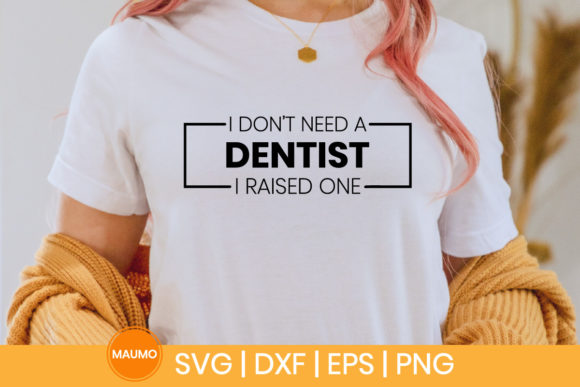
The immediate appeal of the I Don t Need a Dentist Funny Svg lies in its bold, unapologetic humor. In the crowded market of personalized gifts, dental-themed apparel often leans toward the clinical or the childish. This design cuts through that noise with a straightforward, adult-friendly wit. Visually, the layout appears clean, relying on strong typography rather than complex illustrations. For an embroidery designer, this is both a blessing and a challenge. Text-heavy designs live or die by their font choice and spacing. If the letters are too thin, they vanish into the fabric texture. If they are too dense, the garment becomes stiff and uncomfortable.
The mood here is casual and relatable. It fits naturally into the category of everyday wearables—items people want to wear to brunch, the gym, or while running errands. It does not scream for attention with intricate details but rather invites a chuckle through clear, legible messaging. This simplicity suggests that the design could work well as a central chest piece on a sweatshirt or a smaller accent on a cap, provided the scaling is handled correctly.
Real-World Application: The Custom Sweatshirt Test
To truly understand how this file performs, I imagined a specific client scenario: a custom order for a local dental hygienist who wants humorous merchandise for her team’s casual Friday. The chosen item was a mid-weight cotton blend sweatshirt. This is a common canvas for custom apparel because it offers a stable surface for stitching.
When preparing the I Don t Need a Dentist Funny Svg for this project, the primary consideration is stitch type. Since the source file is an SVG, it must be digitized or converted into a proper machine embroidery design format compatible with the user’s hardware. If you are using this for cutting vinyl, the process is straightforward. However, for embroidery, you must ensure that the letterforms are thick enough to support a fill stitch or a robust satin stitch. Thin serif fonts often fail in embroidery because the needle perforations can tear the fabric between narrow strokes. I would recommend converting the text into a bold, sans-serif style if the original SVG uses delicate lines, ensuring the final embroidered patch or direct stitch remains legible after washing.
The result on the sweatshirt was promising. The humor resonated immediately, and the clean lines of the text allowed for high contrast against the heather gray fabric. Using a contrasting thread colors scheme, such as white or light blue on dark fabric, enhanced readability. This kind of handmade product thrives on clarity. If the customer has to squint to read the joke, the value of the item drops significantly.
Navigating Fabric and Hoop Constraints
While the design is versatile, it is not without limitations. One must be cautious when applying this to textured fabrics like terry cloth towels or loosely woven linen. The fabric texture can swallow small details, making the text appear fuzzy. In such cases, using a cut-away stabilizer is non-negotiable to prevent puckering and maintain shape integrity.
Another critical factor is hoop size. If you attempt to place this design on a curved surface like a baseball cap, the width of the phrase might exceed the standard cap frame. You may need to break the text into two lines or reduce the scale significantly. However, shrinking text too much risks losing legibility. For baby embroidery or small accessories like key holders, this design might be too wide unless abbreviated or stacked creatively. Always test the design on scrap fabric first to gauge how the stitch density interacts with your specific material. High-density stitching on stretchy fabrics can cause distortion, so a proper stabilizer backing is essential for professional results.
Commercial Viability for Etsy Sellers and Crafters
For Etsy sellers and owners of small shops, the commercial potential of this design is strong, but it depends on execution. Humorous niche designs perform well in search algorithms because they target specific audiences—in this case, people with dental anxiety, dental professionals, or those who appreciate dry humor. As a digital embroidery file or finished good, it appeals to buyers looking for unique, conversation-starting items.
However, professionalism is key. A poorly stitched version of this design can look amateurish. Ensure that your jump stitches are trimmed, and the tension is balanced. When creating printable mockups or digital previews for your online store, show the design on various backgrounds to help customers visualize the final product. Highlight its use in holiday embroidery gifts, such as a funny stocking stuffer for a dentist friend, or as part of a boutique branding strategy for dental offices looking to lighten the mood.
Practical Designer Notes
Before committing to a full production run or selling this as a design assets package, consider these technical checks:
- Check Licensing: The product description mentions SVG and DXF files for cutting machines. Verify if the license allows for commercial use of finished embroidered items. Some creators restrict the sale of physical goods made from their digital files.
- Digitize Carefully: If you are converting the SVG to an embroidery format, pay attention to underlay stitches. Proper underlay prevents the fabric from shifting and ensures the top stitches sit flat.
- Contrast Testing: View the design in black and white to ensure the letter shapes are distinct. If the letters merge visually, adjust the tracking or font weight.
- Fabric Compatibility: Avoid using this design on sheer or extremely thin fabrics unless you use a heavy stabilizer and potentially an applique technique to reduce bulk.
- Wash Testing: Always wash and dry a test sample. Humor fades quickly if the threads unravel or the fabric puckers after the first cycle.
In conclusion, the I Don t Need a Dentist Funny Svg is a solid candidate for embroidery projects when handled with technical care. It offers a clear visual message that translates well to thread, provided the digitization respects the limitations of the needle and fabric. For craft business owners willing to put in the prep work, this design can become a reliable staple in a catalog of witty, wearable art.