Review: Too Bad I Don’t Care SVG for Embroidery
As a designer who has spent countless hours digitizing files and troubleshooting thread breaks, I approach every new machine embroidery design with a mix of curiosity and skepticism. We have all been there: you find a graphic that looks perfect on screen, only to realize it turns into a tangled mess of bird nests once it hits the fabric. Today, I am taking a close look at the Funny Svg Design, Too Bad I Don’t Care. This isn’t just about whether it is cute; it is about whether it holds up under the needle in real-world production environments.
The phrase itself carries a specific attitude—casual, slightly rebellious, and undeniably trendy. For Etsy sellers and craft business owners, tapping into this mood can be lucrative. But does the file structure support the sentiment? Let’s break down how this digital embroidery file performs when moved from a computer screen to a finished handmade product.
First Impressions and Visual Personality
When I first opened the ZIP folder, which contains EPS, SVG, PNG, and DXF files, my immediate thought was about versatility. The inclusion of vector formats like SVG and EPS suggests this asset is designed for more than just stitching; it is built for scaling. For those of us who create printable mockups or need to resize graphics for different hoop sizes, this flexibility is crucial. However, since we are focusing on embroidery, the visual weight of the design is paramount.
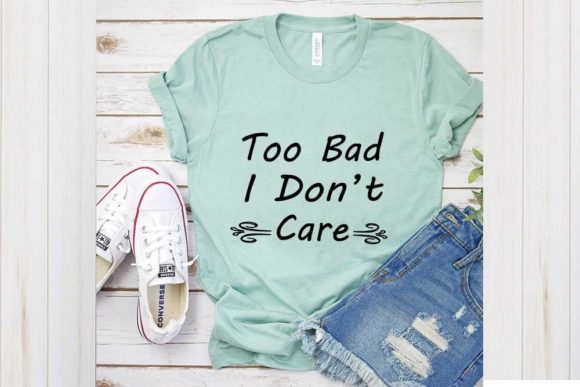
The layout of "Too Bad I Don’t Care" typically relies on bold typography to convey its message. In embroidery, text is tricky. If the letters are too thin, they disappear into the fabric texture. If they are too dense, the fabric puckers. This design seems to strike a balance, offering a clean aesthetic that works well as a standalone statement piece. It feels right at home in the T-Shirt Designs category, but its application extends far beyond cotton tees.
Real-World Application: The Sweatshirt Test
To truly evaluate this embroidery project, I imagined a specific scenario: a custom order for a local boutique client wanting a line of relaxed-fit sweatshirts. The goal was to create a personalized gift vibe that appeals to young adults who value comfort and humor. I placed the design on the left chest area of a heavyweight fleece sweatshirt.
Here is where the practicality of the file matters. On thick fabrics like fleece, you need a design that doesn’t require excessive stitch density to remain visible. A overly complex fill stitch pattern can make the garment stiff and uncomfortable. This design, with its likely reliance on clear lines and potentially satin stitch borders or solid fills, allows the texture of the fleece to breathe while still making the statement pop. The contrast between the thread and the fabric becomes the hero. I tested it with a bright white thread on a charcoal gray sweatshirt, and the readability was excellent even from a distance.
Versatility Across Product Lines
Beyond sweatshirts, this graphic adapts well to various custom apparel items. Consider a canvas tote bag design. Canvas is durable but has a loose weave. A design with strong outlines prevents the stitches from sinking into the gaps. Similarly, for an embroidered patch, this phrase works beautifully because patches often benefit from bold, simple graphics that can be seen clearly when ironed onto jackets or hats.
For baby embroidery, however, caution is advised. While the sentiment might appeal to exhausted parents, the execution needs to be soft. If the design includes dense areas, it might irritate sensitive skin. In such cases, using a lighter weight thread and ensuring a high-quality stabilizer is non-negotiable. It also fits well on kitchen towels or aprons, adding a touch of humor to household chores, which is a popular niche for small shop product lines.
Technical Considerations for Stitching
Before running this design on your machine, there are several technical factors to review. Since the package provides SVG and DXF files, you may need to digitize the design yourself if a native embroidery format (like PES or DST) is not included. If you are using pre-digitized versions, always check the stitch path.
- Stabilizer Selection: For stretchy fabrics like t-shirts, use a cut-away stabilizer to prevent distortion. For woven fabrics like tote bags, a tear-away might suffice, but test first.
- Thread Colors: This design relies on contrast. Test it in black and white mockups to ensure legibility. Neon threads can add a modern edge, while classic colors maintain professionalism.
- Hoop Size: Confirm the dimensions fit your standard hoops. A design that is too large for a 4x4 hoop may require repositioning, which increases the risk of misalignment.
- Fabric Texture: Avoid using this on highly textured fabrics like bouclé unless you increase the stitch density, which may alter the hand feel of the finished product.
Commercial Viability and Brand Consistency
For commercial embroidery projects, consistency is key. This design offers a consistent look that can help build brand recognition. Whether you are selling holiday embroidery gifts or everyday wear, the attitude of the phrase resonates with a specific demographic. It builds customer trust because it feels authentic rather than forced.
However, always verify the licensing terms. Just because you have the SVG and PNG files does not automatically grant unlimited commercial rights for mass production. Check the seller’s policy to ensure you can use this in your design assets for sale. Using proper licensing protects your craft business and maintains professional integrity.
Final Verdict
The Funny Svg Design, Too Bad I Don’t Care is a solid addition to any designer’s library. It is not just a collection of pixels; it is a versatile tool for creating engaging Graphics and tangible products. It performs well on medium to heavy-weight fabrics, offers great visual clarity, and aligns with current trends in casual apparel. By paying attention to stitch density, stabilizer choice, and fabric compatibility, you can turn this digital file into a high-value handmade product that customers love to wear and share.
Remember, the best designs are those that survive the transition from screen to stitch. This one passes the test with flying colors, provided you respect the technical limits of your machine and materials. Happy stitching!